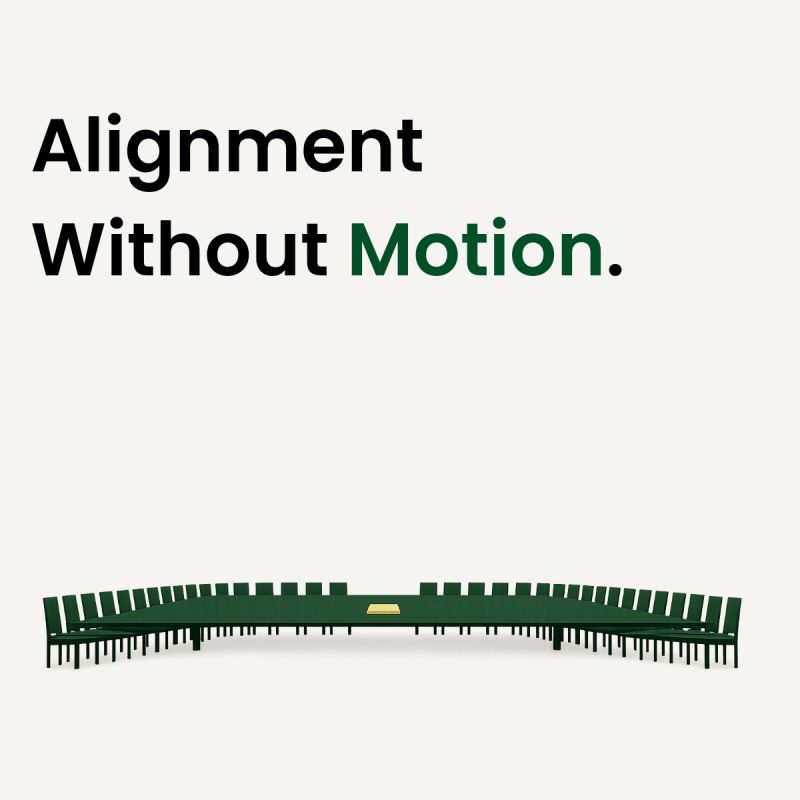
Opportunities aren’t always missed because of bad decisions.
Some are missed because the decision arrived after the window closed.
It usually begins with good intentions.
An idea surfaces.
Input is requested.
Another perspective is added.
Then the adjacent team.
Then their stakeholders.
Each voice feels like rigor.
Each round of input feels like diligence.
But the decision isn’t improving anymore.
At some point, it becomes a culture of radical alignment.
Nothing moves until everyone has weighed in.
Acting without full buy-in feels riskier than waiting.
From the inside, this doesn’t look like dysfunction.
It looks like responsible leadership.
Until a competitor moves on the opportunity you were still aligning around.
What began as a culture of radical alignment becomes something else:
Strategic lateness.